Septic Services for Large Households: Smart Maintenance Tips
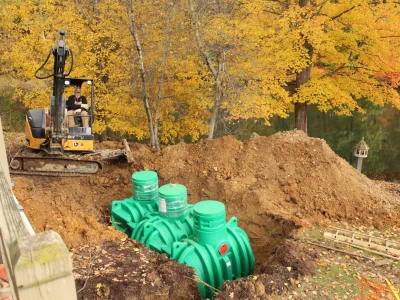

A septic system that works well for a couple or a small family can start struggling when six, eight, or ten people live under one roof. The difference is not subtle. More showers, more laundry, more dishwasher cycles, more toilet flushes, and more guests over the holidays all add up quickly. In a large household, the septic system does not get much downtime. It is under steady pressure, and small habits that barely matter in a low-use home can become expensive problems.
That is why septic services matter more, not less, as occupancy goes up. A tank and drain field are built to handle a certain amount of wastewater, but day-to-day performance depends heavily on how the system is used. I have seen tanks in busy homes stay healthy for years with ordinary, disciplined care. I have also seen newer systems show stress early because the house had a full schedule, heavy laundry volume, and no real plan for maintenance.
The good news is that most large-household septic problems are manageable. They usually do not begin with dramatic failure. They begin with overload, neglect, and small warning signs that are easy to dismiss until they become urgent. The smartest approach is not complicated. Know your system, control water flow, pump on time, and treat the drain field like the critical piece of infrastructure it is.
Why large households put septic systems under real strain
A septic system has a simple job, but it needs time and capacity to do it. Wastewater from sinks, tubs, showers, toilets, and appliances enters the tank. Solids settle to the bottom as sludge. Grease and lighter materials float to the top as scum. The partially clarified liquid in the middle moves out to the drain field, where the soil finishes the treatment process.
That process works best when wastewater arrives at a manageable pace. In a large household, the issue is often not just total volume across a month, but intensity during certain hours. Think about a morning when three people shower, someone starts a load of towels, the dishwasher runs from the night before, and every bathroom sees use before 8 a.m. The tank receives a surge. If that pattern repeats every day, solids can be stirred up more often, and the drain field may receive more water than it can absorb comfortably.
Occupancy also changes the chemistry inside the tank. More food waste, more soap, more toilet paper, more cleaning products, and sometimes more medications moving through the system all affect bacterial activity. A healthy septic tank relies on bacteria to break down waste. It is not a fragile ecosystem, but it does not respond well to abuse. Strong disinfectants used heavily, repeated doses of antibacterial products, or a constant flow of grease and non-flushable items can interfere with normal settling and digestion.
The practical takeaway is this: large households do not need exotic maintenance, but they do need consistent, informed maintenance. The margin for error is simply smaller.
Start with the system you actually have
One of the most common mistakes I see is homeowners treating septic maintenance as if every system were interchangeable. They are not. Tank size, drain field design, household occupancy, soil conditions, age of the system, and local climate all shape the right service schedule.
If you have not already done it, locate your tank, identify the drain field area, and gather any records from installation or prior pumping. A surprisingly high number of owners do not know tank capacity or where the access lids are. That becomes a problem when service is urgent and the contractor spends part of the visit locating components that should have been mapped years earlier.
For large households, tank size matters a great deal. A home with many residents and a relatively modest tank may need pumping more often than the standard advice people hear from neighbors. There is no universal rule that fits every house. Some busy homes benefit from pumping roughly every one to three years, while others can safely go longer. The only reliable way to dial that in is to combine occupancy, usage patterns, and inspection findings. Good septic services providers look at sludge and scum levels, not just the calendar.
If your home has had additions, https://travisycui553.urbanvellum.com/posts/septic-services-and-home-renovations-what-to-consider finished basement space, or long-term guests that effectively increase occupancy, your original septic design may no longer match actual demand. That does not mean failure is inevitable, but it does mean your maintenance habits should become more deliberate.
Pumping is not optional, and timing matters
A tank that is never pumped does not gradually become efficient. It gradually fills with solids until those solids move where they should not. When sludge and scum take up too much space, wastewater has less time to separate properly. Solids can then escape into the drain field, and that is where a manageable maintenance issue can become a serious repair.
Drain field damage is expensive because soil treatment areas are hard to restore once clogged with solids. Pumping a tank at the right interval is cheap by comparison. For a large household, it is one of the best examples of preventive maintenance paying for itself.
There is also a timing issue that many owners miss. Waiting until there is a backup, a bad odor, or soggy ground is waiting too long. Pumping is preventive, not reactive. If the tank is already causing symptoms, there may be more going on than high sludge levels alone.
A good service visit should do more than empty the tank. The technician should note liquid level, inspect inlet and outlet baffles if accessible, look for signs of root intrusion or structural damage, and mention whether the tank contents suggest heavy grease, excess wipes, or unusual flow patterns. Those observations are useful, especially in larger households where habits vary from person to person.
Water management is the hidden key
People often focus on what gets flushed, and that matters, but water volume is the factor that quietly drives many septic problems in large homes. Too much water too quickly can overwhelm even a correctly sized system. I have seen households with careful flushing habits still create trouble simply by stacking loads of laundry and long showers into narrow time windows.
The smartest move is to flatten the peaks. Spread heavy water use across the day and across the week whenever possible. Laundry is usually the biggest opportunity. Five loads on a Saturday afternoon hit much harder than one load each evening. The total water may be the same, but the system handles it differently.
High-efficiency appliances help, but behavior still matters. A standard top-load washer can use roughly twice the water of some efficient front-load models. Older toilets can be major contributors as well. In a large household, that difference multiplies fast.
Here is a short checklist worth posting in the laundry room or near a utility calendar:
- Stagger laundry loads instead of running them back-to-back all day.
- Fix running toilets and dripping faucets immediately.
- Use high-efficiency appliances and low-flow fixtures where practical.
- Spread showers when possible, especially on busy mornings.
- Divert roof drains, sump discharge, and surface runoff away from the drain field.
That last point often gets overlooked. A septic system is built to handle household wastewater, not stormwater. If the drain field stays wet from poor grading or roof runoff, its ability to absorb effluent drops. In wet seasons, that can turn a borderline system into a failing one.
The habits that separate healthy systems from struggling ones
Large households often have a wider range of septic habits under one roof. Adults may understand the rules, while kids, visiting relatives, or tenants in an in-law suite may not. The result is inconsistent use. One person protects the system carefully, another treats the toilet like a trash can, and the tank receives the combined impact.
What goes down the drain matters. Wipes labeled flushable are a repeat offender. So are paper towels, feminine hygiene products, cotton swabs, dental floss, and grease from cooking. Many septic professionals can tell what a household has been flushing just by looking into the tank during pumping. Those materials do not break down like toilet paper, and they can clog filters, lines, and pumps in systems that have them.
Kitchen behavior matters just as much. In a house with frequent cooking, especially for large family meals, grease and food solids build up fast. Garbage disposals add more organic solids to the tank, which usually means more frequent pumping. They are not automatically forbidden, but owners should understand the trade-off. Convenience at the sink often shortens the service interval.
Cleaning products deserve some nuance. Normal household use of standard cleaners is usually fine. The problem is repeated heavy dosing, especially when several bathrooms are cleaned at once with strong disinfectants and bleach-heavy products. A septic tank is resilient, but no system benefits from gallons of harsh chemicals entering it routinely. The right mindset is moderation rather than fear.
Teach the household the rules without making it a lecture
In busy homes, maintenance succeeds when it is simple enough for everyone to follow. If your system depends on every family member remembering a long list of technical instructions, someone will miss something. Clear, practical rules work better.
A one-minute explanation goes a long way. Tell people that the septic system is not city sewer. It stores and separates waste before the soil finishes treatment. Too much water at once, too much grease, and anything that does not break down can shorten its life. Once people understand that it is a mechanical and biological system with limits, they are usually more cooperative.
This matters especially in multigenerational households. Grandparents may have old habits from homes on sewer. Teenagers may not think about water use at all. Adult children returning home may assume someone else handles maintenance. A simple shared understanding prevents a lot of avoidable stress.
Warning signs that deserve quick action
Septic problems rarely improve on their own. If a large household notices changes, the safest move is to investigate early. Small issues can be corrected. Delayed issues spread.
Watch for these signs:
- Drains that gurgle or empty more slowly than usual in multiple fixtures.
- Sewage odors near the tank, the drain field, or inside the house.
- Wet, spongy, or unusually green patches over the drain field.
- Toilets or lower-level drains backing up during heavy water use.
- Frequent need to plunge or clear clogs that affect more than one bathroom.
Not every symptom means total failure. A partial clog in the house plumbing can mimic septic trouble. A single slow sink may have nothing to do with the tank. But patterns matter. When several fixtures behave differently at the same time, or symptoms get worse after laundry and showers, it is time to call for septic services rather than guessing.
Protect the drain field like it is part of the house, because it is
Many owners think of the septic tank as the main event and the drain field as empty yard. In reality, the drain field is where the final treatment happens, and it is often the most vulnerable part of the whole setup.
Driving vehicles over it is a classic mistake. Cars, delivery trucks, and even repeated passes from riding mowers in wet conditions can compact soil or damage piping. Large households sometimes create this problem by using every available patch of yard for parking during events, graduations, or holiday gatherings. One weekend of overflow parking may not destroy a field, but repeated compaction absolutely reduces performance over time.
Landscaping can also cause trouble. Trees and aggressive shrubs planted too close may send roots toward moisture-rich lines. Raised beds, patios, storage sheds, and above-ground pools should stay away from the drain field area. The system needs oxygen exchange and proper evaporation. Covering it with structures or heavy features works against both.
Grass is usually the best cover. It helps manage erosion and is easy to monitor. You can spot wet areas, lush strips, or settlement sooner when the area remains simple and visible.
Seasonal stress is real, especially in full houses
Large households often experience predictable spikes. Summer guests, school breaks, holiday cooking, or college students returning home can change water use overnight. The septic system feels those changes immediately.
I have seen homes operate comfortably for most of the year and then struggle every December because a normally four-person house becomes a nine-person house for two weeks. The fix was not major reconstruction. It was timing the pump-out before the holidays, spacing laundry, and making sure no one treated guest bathroom wipes as flushable. That small bit of planning prevented backups during the busiest week of the year.
Wet weather adds another layer. If soil is already saturated, the drain field has less reserve. Snowmelt and heavy rain can expose issues that stayed hidden during drier months. If your property tends to hold water, have grading and runoff evaluated before assuming the septic system itself is the only problem.
When to schedule professional inspections beyond pumping
Pumping is routine service. Inspection is broader. For larger households, a periodic professional look at the system is valuable even when nothing seems wrong. This is especially true if you have older components, inconsistent records, a pump chamber, an effluent filter, or any kind of advanced treatment setup.
An inspection can clarify whether your current pumping interval makes sense, whether baffles are intact, whether the tank shows signs of infiltration, and whether the household appears to be overloading the system. In homes with frequent occupancy changes, that kind of baseline is useful. It turns septic maintenance from guesswork into planning.
If you have bought an older property and do not know the history, do not assume a recently mowed lawn means a healthy drain field. Ask questions, review permits if available, and get the system evaluated. I have met plenty of owners who inherited years of deferred maintenance and only discovered it when toilets backed up during a family gathering.
Choosing septic services for a large household
Not every service call is equal. For a high-use home, you want a company that does more than arrive with a pump truck and leave a receipt. Good providers explain what they found, answer practical questions, and help you match maintenance to real occupancy.
It helps to ask whether they inspect sludge and scum levels, whether they check visible components, and whether they can flag concerns such as root intrusion, damaged lids, or drain field stress. For homes with pumps or alarms, ask how those components are tested and what maintenance they require. A professional who works regularly with high-occupancy properties will usually have sharper instincts about service intervals and warning signs.
Price matters, but context matters more. The cheapest visit is not the best deal if it skips useful inspection or leaves you with no idea when to service again. With large households, clarity saves money.
Smart maintenance is mostly about rhythm
The households that do best with septic systems are not necessarily the ones spending the most. They are the ones that settle into a rhythm. They know when the tank was pumped. They pay attention to water use. They fix leaks quickly. They keep bad materials out. They protect the drain field. When guests arrive, they adjust. When warning signs appear, they act early.
That rhythm matters because septic systems respond to patterns. A single long shower rarely causes trouble. A season of overuse might. One holiday meal probably does not overload the tank with grease. Repeated disposal of cooking fats eventually does. The system keeps score over time.
For a large household, the right mindset is not anxiety. It is respect for capacity. Septic systems are durable, practical, and often remarkably forgiving when they are maintained well. But they are not limitless. The more people a home supports, the more valuable simple discipline becomes.
If your house is full, active, and always in motion, good septic care should be treated the same way you treat roof maintenance, heating service, or electrical safety. It is part of keeping the property functional. Reliable septic services, combined with steady household habits, will usually cost far less than emergency repairs and give you one less thing to worry about when the house is already busy enough.
Excavating New Jersey LLC
Address: 406 County Rd 565, Wantage, NJ 07461
Phone number: +19737914284
FAQ About Septic Services
What is the average cost to get a septic tank emptied?
Emptying a septic tank costs between $290 and $560 on average, with most homeowners paying about $420. Prices vary based on tank size.
What is septic service?
Septic service inspects, pumps, cleans, and maintains a septic tank. A septic tank is a large, underground container that collects and treats wastewater from your home. Over time, sludge, scum, and other debris, like hair and solids, can build up in your tank and clog your drain field.
How often should you have a septic tank serviced?
A standard septic tank should be inspected every 1 to 3 years and pumped every 3 to 5 years. However, the exact schedule depends on your tank's capacity, household size, and daily water usage.