Norweco Singulair Green: Smart Wastewater Treatment for Modern Homes
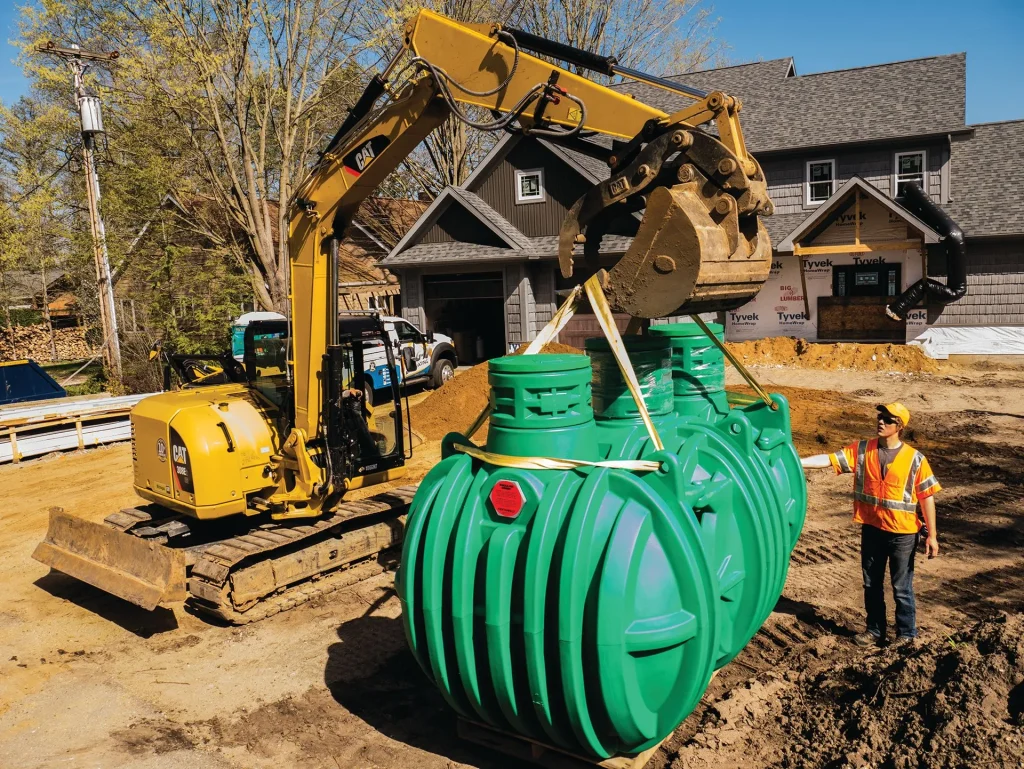
Wastewater treatment is one of those household systems people rarely think about until it starts to smell, back up, or trigger a problem during a property sale. Yet for homes beyond the reach of municipal sewer service, the treatment system is as essential as the roof, the well pump, or the electrical panel. When it is designed well, installed correctly, and maintained on schedule, it quietly protects the home, the surrounding soil, and nearby groundwater for years.
That is where the norweco singulair green enters the conversation. It is often considered by homeowners who need more than a conventional septic tank can reliably norweco singulair green provide, especially on small lots, sites with challenging soils, waterfront parcels, or properties subject to stricter environmental rules. The system is designed to treat wastewater to a higher standard than a passive tank alone, using a controlled aerobic process rather than relying only on settling and soil absorption.
For homeowners, builders, and property managers, that distinction matters. A modern treatment unit is not just a tank buried in the yard. It is part mechanical system, part biological process, and part regulatory solution. Understanding how that combination works helps you make a far better decision than simply comparing initial price tags.
Why advanced treatment is showing up in more homes
Traditional septic systems still work well in the right setting. On a large rural lot with suitable soils, proper setbacks, and moderate water use, a basic gravity-fed septic system can be simple and durable. But many properties do not check every one of those boxes.
Over the last decade, I have seen more projects where the site itself drives the need for advanced treatment. The lot may be narrow. The seasonal water table may sit too high. The native soil may drain too slowly, or too quickly to provide dependable treatment. In other cases, local regulations require higher effluent quality because the property sits near a lake, stream, estuary, or public water supply recharge area.
That is the context in which systems like the norweco singulair green make practical sense. They are built to improve the quality of wastewater before it reaches the soil dispersal area. Better-treated effluent usually means more flexibility in system design, and in some jurisdictions it can help reduce the footprint or support approvals on difficult sites.
This is not just a technical point for engineers. It affects where you can build, how much yard gets tied up by the system, what kind of future maintenance you should expect, and how comfortable you feel about the long-term performance of the property.
What the Norweco Singulair Green actually is
At its core, the norweco singulair green is an aerobic treatment system for residential wastewater. Instead of depending solely on gravity and time inside a septic tank, it introduces oxygen into the treatment process. That oxygen supports aerobic bacteria, which break down organic waste more actively than the anaerobic conditions found in a standard septic tank.
A conventional septic tank separates solids and sends partially treated wastewater to a drainfield. An aerobic treatment system goes further. It treats the wastewater in stages, typically including settling, aeration, clarification, and in some cases additional disinfection or polishing, depending on local requirements and the specific installation design.
The result is cleaner effluent leaving the treatment unit. Cleaner effluent places less stress on the downstream dispersal area. That can translate into better overall performance, especially on sites where the soil is not forgiving.
The term “smart” fits here because these systems are engineered, monitored, and controlled in ways that are much more intentional than a passive septic tank. They are designed with mechanical components, access points for service, and operational logic that supports consistent treatment. Homeowners should understand that this intelligence comes with responsibility. Better performance depends on electricity, inspections, and regular service.
How aerobic treatment changes the game
Most people understand a septic system in simple terms: wastewater leaves the house, solids settle in a tank, and the remaining liquid moves out to the soil. That is not wrong, but it leaves out the biological side of the equation.
In an aerobic system, oxygen becomes a working tool. Aerobic bacteria thrive when they have air, moisture, and food. Inside the treatment chamber, wastewater is mixed and aerated so those microbes can digest organic matter more aggressively. This can reduce biochemical oxygen demand and suspended solids compared with untreated septic tank effluent.
That cleaner discharge offers several practical advantages. It can reduce odor issues when the system is operating properly. It can improve downstream soil acceptance. It can support installations where regulators want evidence of higher treatment quality. It can also help homeowners feel more confident when their house is near sensitive water resources.
I have seen this matter most on constrained properties. A standard system may technically fit on paper, but just barely. In those cases, a better-quality effluent can provide a margin of performance that is worth paying for, especially if the household expects years of full-time use rather than occasional weekends.
Where this type of system makes the most sense
Not every home needs advanced treatment. Sometimes a conventional system is still the most practical answer. But there are situations where the norweco singulair green tends to rise to the top of the shortlist.
The first is a site with difficult soil conditions. Heavy clay, shallow restrictive layers, or high groundwater can all complicate a traditional design. The second is a property near environmentally sensitive areas, where regulators may demand a higher level of treatment before wastewater enters the ground. The third is a rebuild or addition on an older lot, where the owner wants to increase bedroom count or upgrade an aging system but the available area is limited.
There is also a real estate angle. Buyers are becoming more aware of wastewater systems, particularly in higher-value rural and lakefront markets. A property with a documented, professionally maintained advanced treatment system can feel less risky than a patchwork septic setup with vague history. It does not guarantee a sale, of course, but it changes the conversation from uncertainty to traceability.
What homeowners tend to like about it
The appeal of the norweco singulair green is not only technical. It is also operational. Homeowners often want reliability, compactness, and a cleaner process that aligns with stricter modern standards. Builders want systems that can be specified with confidence. Regulators want predictable treatment results. Service providers want equipment they can inspect and maintain without guessing what is happening underground.
A few benefits stand out in day-to-day practice:
- Higher treatment quality than a basic septic tank alone, especially for organic waste and suspended solids.
- Better fit for challenging lots where a standard gravity system may struggle to gain approval.
- More controlled operation, with service access and monitoring features that support preventive maintenance.
- Potentially reduced stress on the dispersal field because the effluent is cleaner before it gets there.
- A good match for homeowners who value documented service and long-term system oversight.
Those strengths are real, but they should be weighed against the realities of ownership. Advanced treatment is not a bury-it-and-forget-it solution.
The trade-offs people should understand before buying
The largest misconception around aerobic wastewater treatment is that “more advanced” automatically means “less trouble.” In actual field use, advanced systems often mean better treatment when maintained well, but they also mean more moving parts, more service needs, and more homeowner responsibility.
Electricity is the first issue. A conventional septic tank can function without power. An aerobic treatment unit cannot operate as designed if the aeration components are offline. Short outages are usually manageable, but repeated interruptions or ignored alarms can hurt treatment performance.
Maintenance is the second issue. These systems need periodic inspection and service. That may include checking air delivery, clarifier function, sludge levels, alarms, filters, and any associated pumps or controls. Depending on local codes and service agreements, visits may happen several times per year.
Cost is the third issue. The up-front installed price is generally higher than a basic septic system, though local design requirements can narrow that gap. In some difficult sites, a conventional system may require so much engineered work that advanced treatment becomes surprisingly competitive. The only honest way to compare is to price complete permitted solutions, not just individual tanks.
The fourth issue is user behavior. Even a strong treatment unit can be damaged by abuse. Excessive bleach, solvents, grease, flushable wipes, chronic overloading, and ignored leaks can all interfere with performance. A household does not need to live nervously, but it does need to treat the system like important infrastructure rather than a black hole.
Installation quality matters as much as the equipment
A well-made treatment unit installed poorly will still disappoint. That is true of HVAC systems, roofs, wells, and wastewater systems alike. With the norweco singulair green, installation quality affects hydraulic performance, service access, alarm reliability, and the long-term condition of the dispersal area.
The site evaluation should come first, not last. Soil data, seasonal water conditions, house size, occupancy patterns, topography, and setback requirements all matter. From there, the designer should match the treatment unit to a complete disposal strategy, whether that involves pressure distribution, shallow placement, drip dispersal, or another approved method.
Excavation and tank placement are not glamorous topics, but they are where many future service calls begin. Improper bedding, poor backfill practices, bad drainage around risers, or sloppy piping slopes can introduce chronic problems. Control components also need thoughtful placement. If an alarm panel is out of sight, homeowners are more likely to miss or ignore alerts.
One installer I know likes to say that wastewater systems fail on paper, in the trench, or in the maintenance log. He is right. If the design is wrong, the install is careless, or the service plan is neglected, the brand name on the tank will not save the project.
Service and maintenance are part of the ownership cost
Any honest discussion of the norweco singulair green has to include maintenance. That is not a flaw. It is simply the operating reality of a treatment system that does more than a passive tank.
Most homeowners adapt quickly once expectations are set clearly. The system should be inspected on a regular schedule. Solids still need to be removed at appropriate intervals. Mechanical components eventually wear. Filters and aeration parts may need cleaning or replacement. Alarm testing matters. Records matter too, especially if the property is sold later.
Here is what good ownership usually looks like:
- Keep a service agreement with a qualified provider familiar with the system and local code requirements.
- Respond promptly to alarms or unusual odors instead of assuming the issue will clear on its own.
- Pump solids based on inspection findings and manufacturer or local guidance, not guesswork.
- Protect the system from harmful inputs such as wipes, grease, solvents, paint, and excess disinfectants.
- Conserve water during peak loads, especially when hosting guests or managing a large household.
These steps are not burdensome, but they do require a mindset shift. The system works best when it is treated like a mechanical asset, not just buried plumbing.
Real-world performance depends on household habits
One of the most underrated factors in wastewater treatment is lifestyle. Two homes with the same floor plan can impose very different loads on the same model of treatment unit.
A retired couple that spreads laundry through the week and cooks modestly will usually place a steadier load on the system than a family of six that does three back-to-back loads of towels, runs long showers, and hosts holiday gatherings. Neither pattern is wrong, but the system experiences them differently.
This is where an advanced treatment unit can help, since it is designed to manage wastewater actively rather than passively. Still, no residential system is immune to abuse. Sudden hydraulic surges, neglected leaks, and years of flushing nondegradable material can overwhelm even well-designed equipment.
I once looked at a property where the owners insisted the treatment unit was undersized. The actual issue turned out to be a leaking toilet that had been running for months and a basement sink used for rinsing paint tools. The system was not the weak link. The household habits were.
That is worth remembering. Treatment technology can improve resilience, but it cannot rewrite chemistry or biology.
Comparing it with a standard septic system
A homeowner deciding between a conventional septic system and the norweco singulair green should not reduce the choice to “simple versus complicated.” A better comparison is “passive treatment suited to ideal conditions” versus “active treatment suited to tougher conditions and higher performance demands.”
A standard septic system usually wins on simplicity. It often has lower energy use, fewer mechanical components, and lower annual service expectations. On the right site, that is hard to beat.
The norweco singulair green typically wins where effluent quality matters more, where site limitations create design pressure, or where regulatory approval depends on a higher treatment level. It can also be the more prudent choice for owners who intend to use the house heavily and want a professionally monitored system.
The best choice depends on context. If you have excellent soils, plenty of area, and no unusual permitting constraints, a conventional system may remain the sensible answer. If the site is tight, sensitive, or regulated, advanced treatment often stops being an upgrade and starts becoming the practical baseline.
What to ask before committing
By the time homeowners reach the equipment selection stage, they are often tired of surveys, perc tests, permit reviews, and engineering language. That is understandable, but this is the moment to ask sharper questions, not fewer.
Ask how the system fits the actual site conditions, not just whether it is approved. Ask what service interval is expected in your jurisdiction. Ask which parts are homeowner-visible and which require a technician. Ask what happens during a power outage. Ask how alarms are handled and who gets called first. Ask for a realistic estimate of annual operating costs, including inspections, pumping, and any consumable parts.
Most importantly, ask who will service it ten years from now. A strong local service network is worth a great deal. Even a well-designed unit becomes a headache if no competent technician wants to touch it.
A system that rewards informed ownership
The norweco singulair green fits a larger shift in residential infrastructure. Homes are being built on more complex sites, environmental expectations are higher, and buyers are less comfortable with unknowns in buried systems. Wastewater treatment has had to evolve accordingly.
For the right property, this kind of aerobic treatment offers a thoughtful balance of performance, control, and site flexibility. It is not magic, and it is not maintenance-free. What it offers instead is something more useful: a disciplined treatment process that can outperform a basic septic arrangement when the site, the regulations, or the household demand more.
That makes it a strong option for modern homes, especially where wastewater cannot be left to chance. If the system is properly designed, professionally installed, and serviced on schedule, it can deliver exactly what homeowners need from critical infrastructure, steady performance, fewer unpleasant surprises, and confidence that what leaves the house is being treated responsibly.
Excavating New Jersey LLC
406 County Rd 565, Wantage, NJ 07461, United States
+1 973-791-4284
FAQ About norweco singulair green
How much does a NORWECO septic system cost?
The installed cost depends on the selected unit, engineering, site access, excavation, electrical work, disposal-field design and required approvals. A tank-only price is not a complete installation quote. Ask Excavating New Jersey LLC for a site-specific, itemized estimate that also explains ongoing service costs.
How does a Norweco septic system work?
The Singulair Green uses pretreatment, aeration, clarification and filtration to treat domestic wastewater. In the aeration chamber, oxygen supports bacteria that break down organic material. The Bio-Kinetic unit provides further filtration and flow equalization. Final effluent disposal must follow the property's approved design and applicable requirements.
What is the average lifespan of a septic system?
There is no guaranteed lifespan for every system. Design, installation, soil conditions, wastewater loading and regular maintenance all matter, and mechanical parts may need replacement before the tank. For a Singulair Green system, follow the manufacturer's service schedule and have a qualified provider assess its condition and pumping needs.