Norweco Singulair Green in Wantage NJ: A Homeowner’s Complete Guide
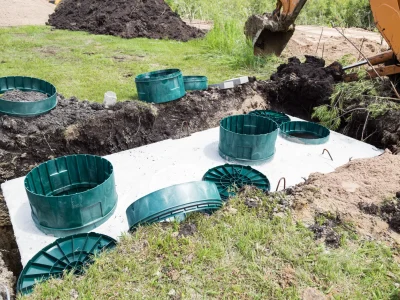
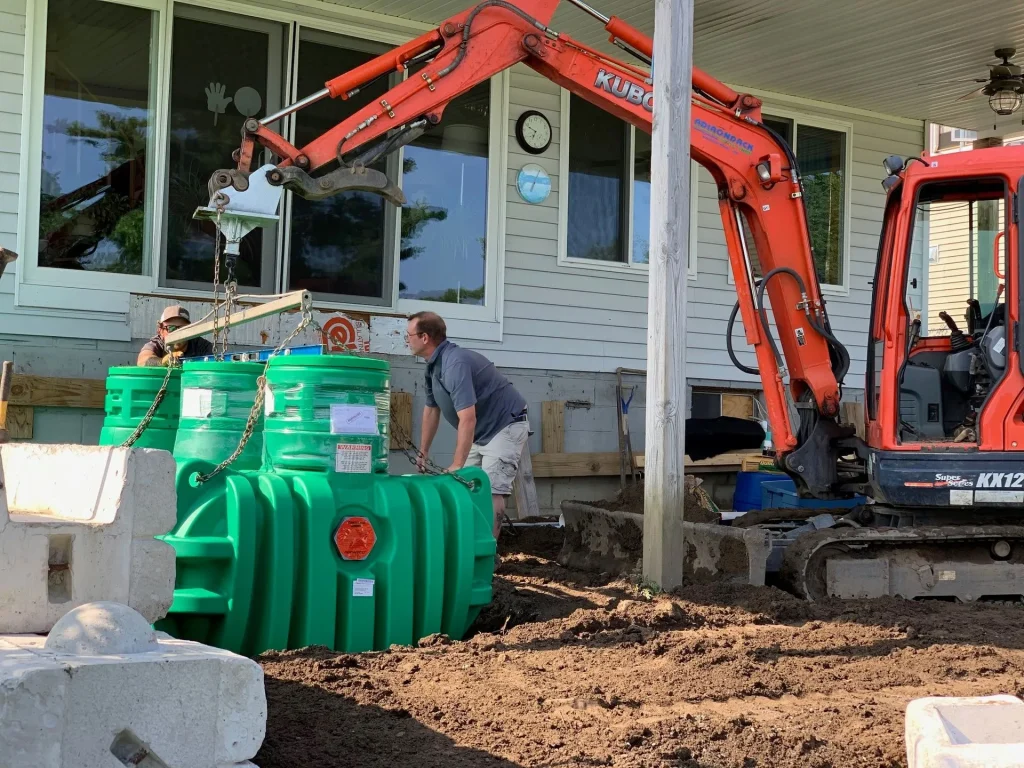
If you own a home in Wantage, or you are planning to buy or build one, wastewater treatment is not an abstract utility hidden underground. It affects where you can build, what permits you need, how much maintenance you will carry, and whether a property remains easy to live with over the long term. That is especially true in parts of Sussex County, where site conditions can push a project beyond the limits of a conventional septic layout.
A Norweco Singulair Green system often enters the conversation when a standard septic design is not ideal, or when a property needs a more advanced treatment approach before effluent reaches the disposal field. Homeowners usually first hear the name from an engineer, installer, or local health official. At that point, the questions come fast. What is it, how does it differ from a regular septic tank, what does it cost to maintain, and is it a good fit for a Wantage property?
Those are the right questions. A system like this can work very well, but only if it is properly designed for the site, installed by people who know the equipment, and maintained with discipline. Advanced treatment units are not “set it and forget it” systems. They reward attention and punish neglect.
What a Norweco Singulair Green system actually is
At its core, the Norweco Singulair Green is an aerobic wastewater treatment system. Unlike a conventional septic tank, which relies primarily on settling and anaerobic digestion, this type of system adds norweco singulair green Wantage NJ oxygen to encourage aerobic biological treatment. In plain terms, it treats wastewater more actively before that water moves on to final disposal or dispersal.
That matters because cleaner effluent can make a difficult site more workable. If a lot has limiting soils, high seasonal groundwater, restricted separation distances, or a small usable disposal area, advanced treatment may help a designer meet local and state requirements where a conventional septic system struggles.
Homeowners sometimes imagine the unit as a “super septic tank.” That is close enough to be useful, but not quite complete. A conventional tank is passive. A Singulair Green system is mechanical and biological. It typically includes chambers or treatment zones, aeration components, controls, and often alarms or monitoring features. It is more like a small onsite treatment plant serving one house.
That added sophistication is both the benefit and the trade-off. You usually get a higher level of treatment. In exchange, you take on electrical use, mechanical components, required service, and a lower margin for homeowner neglect.
Why this system comes up in Wantage
Wantage has a mix of rural residential properties, older homes with aging septic systems, and undeveloped parcels that vary widely in topography and soil conditions. Some lots are easy. Others are not. A system that performs well on one road can be completely wrong for a parcel a mile away.
In northern New Jersey, site design tends to be shaped by a few recurring realities: rock, slope, variable soils, wet periods, and existing lot constraints. Add wells, property line setbacks, streams, and reserve disposal area requirements, and suddenly a simple septic concept can become complicated. That is where an engineered treatment approach starts to make sense.
For homeowners searching specifically for a norweco singulair green Wantage NJ solution, the system often appears in one of three situations. The first is new construction on a challenging lot. The second is a replacement system for a home where an older septic setup has failed or no longer meets present requirements. The third is a major renovation or bedroom expansion where increased flow triggers a need for a new design.
The reason local conditions matter so much is that no manufacturer can override the site. A quality treatment unit does not guarantee approval by itself. The soil logs, percolation or hydraulic data used by the designer, grading, groundwater observations, and local health review still drive the final design.
How it differs from a conventional septic system in daily life
Most homeowners understand conventional septic through a simple mental model. Wastewater leaves the house, solids settle in a tank, and partially treated liquid enters a drainfield. Pump the tank on schedule, avoid abuse, and you may go years with little drama.
A Norweco Singulair Green system changes that routine. Because the treatment is active, the system usually needs power every day. There are moving or electromechanical parts involved. Service intervals matter more. Alarms are not optional ornaments. They are part of the system’s safety net.
That does not mean constant hassle. A properly maintained unit can be very reliable. But the ownership mindset should be closer to caring for a boiler than caring for a buried concrete box. It is infrastructure with operating needs.
I have seen homeowners do well with advanced treatment systems when they accept that reality early. They keep records, renew their service agreement, and respond to alarms promptly. The ones who run into trouble are usually the people who assume any underground wastewater system can be ignored until the lawn gets wet or the toilets stop flushing.
The treatment process in practical terms
You do not need to become an engineer to own one of these systems, but it helps to know what the machine is trying to do.
Wastewater from the house enters the treatment system. Solids separate, and the unit uses aeration to support bacteria that consume organic material more efficiently than in a standard anaerobic tank. Depending on design and local requirements, the treated effluent may then move to a disposal area, possibly through additional components such as pumps, filters, dosing equipment, or disinfection features if specified by the approved plan.
The key point is that treatment quality depends on biology and mechanics working together. If airflow stops, sludge builds too much, filters clog, or hydraulic loading exceeds design assumptions, performance can suffer. Unlike a passive septic tank, the warning signs may begin inside the unit before they appear at the surface.
Where the system makes sense, and where it may not
A Norweco Singulair Green system can be a strong option when an engineer needs better effluent quality to make a site viable. It can also be attractive when a property owner wants a more advanced treatment train because of environmental sensitivity or replacement constraints.
Still, there are cases where it may not be the best fit. If a lot can easily support a conventional septic system that meets all requirements with ample room and good soils, some owners prefer the simplicity of the more traditional approach. Fewer mechanical components usually mean less routine servicing and fewer electrical dependencies.
That is not an argument against Norweco. It is simply a reminder that “better treatment” is not the same thing as “best choice for every property.” The right answer depends on land conditions, local approvals, total ownership cost, and the homeowner’s willingness to stay on top of maintenance.
What installation involves in Sussex County context
The early phase usually starts with site evaluation and system design, not excavation. A designer or engineer needs to understand the lot, the house size, proposed flow, and available disposal area. In New Jersey, local health authorities and applicable state rules shape what is acceptable. Requirements can change over time, so homeowners should expect current review rather than relying on what a neighbor installed years ago.
Once a design is approved, the installation itself is typically more exacting than norweco singulair green Wantage NJ a basic septic tank replacement. Elevations, component sequencing, electrical connections, control setup, venting, and final grading all matter. This is not the kind of system you want installed by someone who is “pretty sure” they can figure it out.
One common source of trouble is poor coordination between trades. The excavator, electrician, plumber, service provider, and designer all touch the job in some way. If one piece gets rushed, the homeowner may inherit chronic nuisance alarms, uneven dosing, premature wear, or access problems that make future servicing harder and more expensive.
I always tell owners to pay attention to accessibility during installation. Risers, covers, control panels, and service clearances are not cosmetic details. They determine how easy routine inspection will be five or ten years later, especially during a wet spring or a February cold snap.
The costs homeowners should plan for
People naturally ask what a Norweco Singulair Green system costs, but there is no single honest number that applies to every Wantage property. The installed cost depends on the approved design, excavation difficulty, site access, electrical work, disposal field requirements, pump components, and local contractor pricing. On a straightforward site, the total may be much less than on a rocky or sloped lot where replacement work becomes surgically difficult.
The more useful way to think about cost is in layers. There is the upfront installation cost, then the ongoing ownership cost. The second part is where homeowners sometimes underestimate the commitment.
Your long-term budget should account for these items:
- Regular service visits and any required monitoring under local rules or manufacturer recommendations.
- Periodic tank pumping based on use, sludge levels, and service findings.
- Electricity for aeration and controls.
- Repairs to components such as compressors, pumps, floats, alarms, or control parts over time.
- Eventual replacement of aging mechanical or electrical elements before they fail outright.
For many households, the yearly operating cost is manageable. The problem is not usually the routine cost. It is deferred maintenance that turns a modest service expense into a larger repair bill, often at an inconvenient time.
Maintenance is not optional
If there is one point worth emphasizing, it is this: advanced treatment units live or die by maintenance.
A service contract is often part of responsible ownership and, in some cases, may be required by local oversight. Even where not formally required, it is a smart move. A trained technician can inspect aeration performance, sludge levels, alarms, recirculation if applicable, filters, and overall treatment condition before a small issue becomes a system failure.
Homeowners sometimes ask whether they can just “watch it themselves.” You can and should be observant, but observation is not a substitute for professional service. Most owners are not going to open the system, assess component function, and interpret treatment conditions accurately.
Daily habits matter too. Garbage disposals increase solids loading. Excess bleach or harsh chemicals can disrupt the biology. A leaking toilet can hydraulically overload a system without anyone noticing for weeks. Laundry spread across the week is gentler than marathon wash days. These are old septic truths, but they matter even more in an aerobic unit that depends on stable operation.
Signs that something is off
When these systems start to drift out of normal operation, they usually give some warning. The warning may be obvious, or it may be subtle.
Watch for patterns like these:
- Alarms, blinking panels, or unusual control indications.
- Persistent odors near the tank, control area, or disposal field.
- Slow drains or plumbing backup inside the house.
- Unusually lush or wet areas over the disposal area in suitable weather.
- A sudden spike in service issues after heavy water use, storms, or power interruptions.
Not every symptom means catastrophic failure. An alarm can be triggered by a float issue or a brief electrical problem. A wet spot after prolonged rain may be site related rather than system related. But any of these signs justify a call to your service provider. Waiting rarely improves wastewater systems.
Power outages and winter weather in Wantage
Northern New Jersey homeowners already know that outages and winter conditions are part of life. For an advanced treatment system, both can matter.
A short power interruption may not create any lasting issue, especially if household water use stays modest while service is restored. A prolonged outage is different. If aeration or pumping stops for an extended period, the treatment process can be disrupted, and storage capacity may become a concern depending on the system design and occupancy.
This does not mean every storm becomes an emergency. It means homeowners should know where the controls are, understand what alarm conditions mean, and ask their service provider what to do after an outage lasting many hours or more. If your property relies on pumps as part of the disposal system, backup power planning may be worth discussing.
Winter adds another layer. Frozen lines or covers are less common in correctly installed systems with normal use, but shallow components, poor grading, little snow cover, or vacant-home conditions can increase risk. A house that sits empty with minimal heat and minimal water use can be harder on certain system areas than a fully occupied house.
Home sales, inspections, and buyer questions
When a house in Wantage has a Norweco Singulair Green system, buyers often react in one of two ways. Some see “advanced treatment” and assume it is better. Others hear “mechanical septic” and worry about complexity. Both reactions are incomplete.
A well-maintained system with clear records can actually reassure a careful buyer. Documentation matters here. Service reports, pumping records, approved plans, and any permit documentation tell the story. If the seller can show that the unit has been professionally maintained and is functioning as designed, the conversation becomes much easier.
Problems arise when the system exists but nobody can explain it. Missing as-built documents, uncertain service history, inaccessible covers, and unlabeled controls all make buyers nervous, and for good reason. If you may sell in the next few years, start organizing records now rather than scrambling later.
How to choose the right contractor and service company
The quality of ownership often depends less on the brand than on the people supporting it locally. A strong installer and a competent service provider can make advanced systems feel routine. Weak support can turn them into a recurring headache.
Ask direct questions. How many similar systems have they installed in this area? Who services the unit after startup? How quickly do they respond to alarms? Are parts readily available? Will they explain the control panel and homeowner responsibilities in plain language?
Experience with local conditions matters. A contractor who understands Wantage soils, access issues, and permitting expectations will usually make better decisions than someone who only knows the equipment in a generic sense. Good system ownership is local. It lives in details like grading around risers, winter accessibility, proper electrical protection, and realistic expectations for pumping frequency.
Common homeowner mistakes
The mistakes that damage advanced treatment systems are rarely dramatic. They are usually ordinary habits repeated for months.
One classic example is treating the system like a trash can. “Flushable” wipes remain a problem no matter what the package says. Grease, heavy food waste, and paper products beyond normal toilet tissue all increase maintenance burdens. Another mistake is ignoring leaks. A running toilet can send hundreds of gallons a day into a system designed for a much lower steady flow.
Then there is the landscaping issue. Homeowners understandably want a neat yard, but piling heavy soil over components, driving equipment over the treatment area, or planting aggressive-rooted vegetation too close can create long-term trouble. The system area should be treated as protected infrastructure, not unused lawn waiting for a project.
Is a Norweco Singulair Green system a good choice for your property?
For many homes, yes, especially when site limitations make advanced treatment the most practical path to approval and reliable performance. The system can be a solid answer on difficult lots, and it can serve well for years when maintained properly.
But the right way to evaluate it is not by brand reputation alone. Ask whether the site truly calls for this level of treatment, whether the proposed design is sensible for your lot, whether qualified support is available nearby, and whether you are ready for the maintenance responsibilities that come with ownership.
If you are researching norweco singulair green Wantage NJ, the smartest next step is not to hunt for a generic national answer. It is to speak with a local designer, installer, or service company that works with advanced onsite systems in Sussex County and can evaluate your parcel, your house, and your long-term goals. The best wastewater system is the one that fits the land, complies with current rules, and can be realistically maintained by the people who will actually live with it.
That is the standard worth using, whether you are replacing a failed septic system, building on a constrained lot, or trying to make sense of a property before signing a contract. A Norweco Singulair Green unit can be a very good solution. It just needs to be chosen for the right reasons, installed with care, and treated as the working piece of infrastructure it is.
Excavating New Jersey LLC
406 County Rd 565
Wantage, NJ 07461, United States
Phone: +1 (973) 791-4284
FAQ About norweco singulair green Wantage NJ
How does a Norweco septic system work?
Singulair Green uses aerobic biological treatment in a polyethylene tank, followed by settling and filtration. The treatment unit is one part of a complete wastewater system; the site design also determines how treated effluent is dispersed.
How much does a Norweco septic system cost in NJ?
A useful estimate requires a property evaluation. Excavation access, soil conditions, engineering, electrical work, the disposal field, and restoration can affect the total. Ask Excavating New Jersey LLC for a written scope that distinguishes installation costs from ongoing service costs.
Are Norweco septic systems good?
Singulair Green is an established aerobic treatment option, but suitability depends on the property and proposed design. Compare the model's documented performance, maintenance needs, and total project scope with alternatives before deciding.