How Septic Services Support a Healthier Home Environment
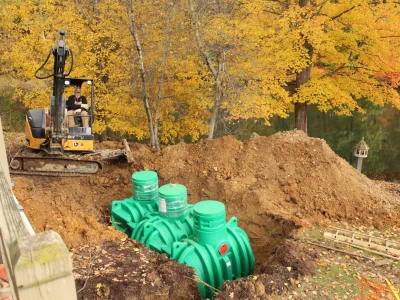

A healthy home depends on more than clean countertops, good ventilation, and safe drinking water. For households that rely on an onsite wastewater system, the condition of the septic tank and drain field shapes daily living in ways many owners do not fully appreciate until something goes wrong. Wastewater leaves sinks, showers, toilets, and washing machines every day. If it is not handled properly, the result is not just an inconvenience. It can affect indoor air quality, contaminate soil and groundwater, damage the yard, and create genuine health risks for the people living on the property.
That is where septic services matter. Regular pumping, inspection, cleaning, and repair work keep the system operating as intended. When a septic system is maintained well, most people barely think about it. Drains move freely, odors stay outside the picture, and wastewater is treated quietly below ground. When maintenance is delayed, the signs often build slowly, then all at once. A wet patch in the lawn becomes a soggy field. A sluggish toilet turns into a backup. A faint smell near the tank starts creeping closer to the house.
Homeowners often see septic maintenance as a cost they can postpone. In practice, timely service is usually what prevents the larger, more expensive problems. More importantly, it supports a healthier living environment by protecting water, air, structural surfaces, and the general sanitation of the property.
The septic system’s job is closer to public health than most people realize
A septic system is a private wastewater treatment setup. Its purpose is straightforward. It collects wastewater from the home, separates solids from liquids in the tank, allows some natural breakdown of waste, and then sends partially treated effluent to the drain field for final filtration through soil. That process sounds simple, but a lot has to go right for it to work safely.
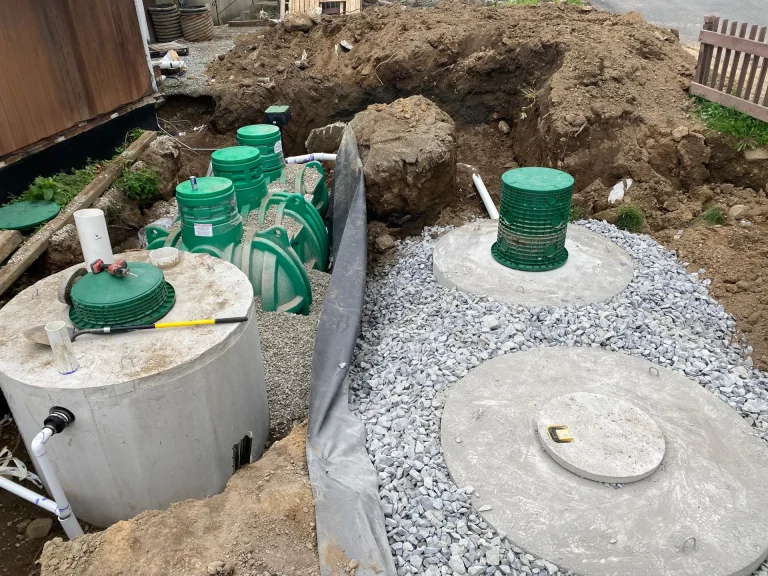
Inside the tank, solids settle to the bottom as sludge while fats and lighter material rise to the top as scum. The middle layer, called effluent, exits the tank and moves into the drain field. If solids build up too much, they can escape the tank and clog the field. Once that happens, restoration becomes far more complicated than routine pumping.
This is why septic services are not just about keeping a tank from overflowing. They support the safe handling of human waste and household wastewater at the source. In public infrastructure terms, a well-maintained septic system does for one property what a wastewater utility does for an entire neighborhood. It limits exposure to harmful bacteria, viruses, and nutrients that should never end up near living spaces or drinking water supplies.
A healthy home environment includes safe separation from waste. Septic maintenance makes that separation reliable.
What happens when septic maintenance is neglected
Neglect rarely announces itself with one dramatic event at first. More often, the system gives subtle warnings. Water drains a little slower. The grass over one area turns unusually green. There is an occasional odor after heavy laundry use or rain. These signs are easy to dismiss, especially in a busy household. Yet they often point to a system that is filling, straining, or failing to disperse effluent correctly.
If maintenance continues to slip, the impacts expand beyond the plumbing. Wastewater can back up into tubs, showers, and floor drains. Sewage odors can collect indoors. Damp conditions around a failing drain field can attract insects. In severe cases, untreated wastewater may surface in the yard where children play or pets roam. The health concerns in those situations are obvious, but even moderate failures can create chronic sanitation issues that erode comfort and safety over time.
I have seen homeowners spend years repainting basement walls, replacing deodorizers, or snaking drains repeatedly when the underlying issue was an overloaded or poorly maintained septic system. Surface symptoms often get treated while the actual cause remains underground. Septic services help break that cycle because they look at the whole wastewater path, not just one fixture or one pipe.
How regular septic services improve everyday household health
The connection between septic care and health becomes clear when you look at how the system affects the home day after day. Septic services reduce the risk of sewage exposure, but they also support less obvious parts of a healthy environment.
Indoor air quality improves when gases stay contained and plumbing drains correctly. A struggling septic system can produce persistent odors that seep into bathrooms, laundry rooms, crawl spaces, or basements. Those smells are not just unpleasant. They are a sign that waste gases or backed-up wastewater may be moving where they should not.
Moisture control is another major factor. Backups and leaks introduce water into parts of the home not designed to stay wet. Once that happens, mold and mildew can follow. The septic issue becomes a wider indoor environmental issue, particularly in lower levels and utility spaces where ventilation is already limited.
Water quality matters as well. For homes with private wells, the relationship between wastewater disposal and drinking water safety is especially important. An aging or failing septic system located too close to a well, or one compromised by saturated soils, raises the risk of contamination. Responsible septic services include watching for those site conditions before they turn into a serious hazard.
There is also the basic cleanliness of daily life. Nobody wants to plan showers and laundry around drain performance, or worry that a weekend of guests could push the system too hard. A properly serviced system gives the household more predictable, sanitary use of the plumbing that supports cooking, bathing, cleaning, and waste removal.
Pumping is not the whole story
Many people use the phrase septic services as shorthand for pumping the tank. Pumping is essential, but it is only one piece of good care. A service visit should also involve evaluating the tank condition, the baffles or tees, the depth of sludge and scum, and whether effluent appears to be moving as expected. Depending on the property, it may also include checking filters, looking for signs of drain field stress, and noting whether surface water is draining toward the system.
A tank that is pumped on schedule can still have structural issues. Lids crack. Inlet or outlet baffles deteriorate. Roots find their way into lines. Filters clog. Distribution boxes settle unevenly. These are not rare problems, especially on older properties or those where landscaping, vehicle traffic, or stormwater runoff have changed site conditions over the years.
The best septic services are preventive rather than reactive. They catch the smaller problems that homeowners do not see because the system is buried. Preventive work is usually less disruptive and far less expensive than emergency excavation after a failure.
A well-timed service visit can prevent the biggest repairs
There is no universal pumping schedule that fits every house. Tank size, household size, water use habits, garbage disposal use, and even how often people work from home all affect loading. A couple with a large tank may go several years between pumping. A family with children, frequent guests, and high laundry volume may need service more often.
That variability is one reason estimates on timing should be based on actual use and inspection findings, not guesswork. In many homes, a practical range might be every two to five years for pumping, but that is only a starting point. If the tank is undersized for the household, if people are flushing wipes or grease, or if there has been a history of drain field trouble, service may need to be more frequent.
The real value is not simply sticking to a calendar. It is matching service intervals to how the system is actually performing. A good technician can often tell from sludge levels, filter condition, and site observations whether the current schedule is working or whether the household should adjust.
That kind of informed maintenance is what keeps a system from tipping into a large repair. Replacing a drain field or major tank components can cost many thousands of dollars, depending on soil conditions, permits, equipment access, and local code requirements. Regular septic services are modest by comparison, and they help protect both health and budget.
Warning signs a homeowner should not ignore
Certain symptoms almost always justify a professional septic inspection. Some are obvious, some are easy to rationalize away, especially if they seem intermittent. The problem is that septic failures do not always develop on a convenient timeline. They often worsen during heavy use, wet weather, or when the home is occupied by more people than usual.
- Drains throughout the house are slow, not just one sink or tub.
- Sewage odors appear indoors or near the tank and drain field.
- The lawn above the system is consistently soggy, unusually green, or both.
- Toilets gurgle, backups occur, or wastewater surfaces in lower fixtures.
- A private well test shows signs of contamination or sudden water quality changes.
A single sign does not always mean the system is failing, but several together should be treated seriously. Waiting for a full backup is one of the costliest choices a homeowner can make.
The drain field deserves as much attention as the tank
Homeowners tend to think about the tank because that is the part that gets pumped. https://blogfreely.net/morvinqswn/septic-services-and-home-renovations-what-to-consider Yet the drain field is where much of the final treatment happens, and its condition has a direct effect on the health of the property. Effluent that reaches the field should disperse slowly into soil that can filter and biologically treat it. When the field becomes overloaded or clogged, that treatment process breaks down.
Too much water is one of the most common threats. A drain field that stays saturated from roof runoff, poor grading, excessive irrigation, or naturally slow soils cannot process effluent effectively. That is why thoughtful septic services often include advice that has nothing to do with the tank itself. Redirecting downspouts, repairing leaks, spacing out laundry loads, and keeping heavy vehicles off the field can all protect system performance.
I have seen properties where the septic equipment was technically sound, but the site drainage was undermining everything. A homeowner would pump the tank, get a few months of improvement, then face the same wet, smelly area because stormwater was flowing straight across the field. In those cases, the healthiest fix was not more pumping. It was controlling surface water and giving the soil a chance to function properly.
Safe homes depend on sensible wastewater habits
Professional service matters, but homeowner behavior between visits matters too. A septic system is not a trash can, and it is not designed for every product marketed as flushable. Wipes, hygiene products, cigarette butts, paper towels, grease, coffee grounds, and harsh chemical loads all shorten system life or interfere with treatment.
Even high water use can create strain. Long showers, back-to-back laundry loads, and leaking toilets increase how much wastewater enters the tank and field. One leaking toilet can add a surprising amount of water over the course of a day. If the drain field is already marginal, that extra flow can push it into visible trouble.
This is where septic services often have a quiet educational role. Experienced technicians do more than empty a tank. They tell homeowners what they are seeing and why it matters. They connect the condition of the system to daily habits, occupancy patterns, and site drainage. That practical guidance can significantly improve system reliability.
What quality septic services usually include
Homeowners sometimes struggle to compare providers because the phrase septic services can mean different things from one company to another. A low price for pumping may not include basic inspection or filter cleaning. A more thorough service call can save money later because it identifies conditions that a quick pump-and-go visit would miss.
A solid service appointment often includes the following:
- Locating and opening access points safely
- Measuring sludge and scum levels before pumping
- Pumping the tank fully and checking baffles or tees
- Cleaning or inspecting the effluent filter if one is present
- Noting visible signs of damage, infiltration, or drain field stress
That does not mean every visit has to be extensive, but homeowners should know what they are paying for. Documentation helps too. Service records create a history of the system, which is useful for planning future maintenance and helpful if the property is sold.
Septic care matters even more for families with children, older adults, or vulnerable residents
Any sewage backup is unpleasant, but some households face higher stakes. Young children play close to the ground and are more likely to encounter contaminated soil or standing water. Older adults may be more sensitive to poor indoor air quality, dampness, or sanitation disruptions. People with compromised immune systems face higher risk when wastewater problems introduce bacteria or mold into the home.
For these households, preventive septic services are not just about property upkeep. They are part of maintaining a stable, sanitary living environment. That may mean scheduling inspection and pumping conservatively rather than waiting until the system reaches its limit. It may also mean acting faster on subtle signs such as recurring odors or occasional gurgling, instead of assuming the issue can wait.
Seasonal shifts can expose hidden problems
Septic systems often reveal their weaknesses under seasonal stress. Heavy spring rains can saturate the drain field. Holiday gatherings can overload a tank that was already near pumping time. Summer landscaping projects may accidentally compact soil or disturb components. In cold climates, frozen lines and snowmelt can complicate drainage patterns.
A system that appears fine during a dry, low-occupancy stretch may struggle under these conditions. That is why timing matters. Many homeowners call for service only after a problem becomes unmistakable, but the healthier choice is often to inspect or pump before periods of heavy use. If a family hosts several relatives each year or uses the home more intensely in one season, the maintenance plan should reflect that reality.
The financial case and the health case point in the same direction
There are home maintenance decisions where health and cost feel like competing concerns. Septic maintenance is usually not one of them. The actions that protect sanitary living conditions are generally the same actions that extend the life of the system. Timely pumping reduces the chance of solids damaging the drain field. Early repairs on lids, baffles, or filters prevent larger failures. Site drainage improvements support both public health and property value.
Emergency septic work tends to be expensive for a reason. It often requires urgent scheduling, additional labor, more equipment, and cleanup of unsanitary conditions. Damage may also spread beyond the system itself, affecting flooring, drywall, landscaping, or water testing needs. By contrast, routine septic services are planned, controlled, and much easier on the household.
That alignment is worth remembering. Homeowners are not choosing between spending money on maintenance or spending money on comfort. They are investing in the quiet infrastructure that keeps the home livable, sanitary, and functional every day.
Choosing a provider with sound judgment
Not every septic company approaches service the same way. Technical skill matters, but judgment matters just as much. A good provider understands local soils, permitting expectations, weather patterns, and the kinds of failures common in the area. They explain what they found in plain language. They do not promise that every issue has a quick fix, and they do not recommend expensive work without a reason you can understand.
It is worth looking for a company that documents service clearly and welcomes questions. Homeowners should know the approximate tank size, when it was last pumped, whether an effluent filter is installed, and where the main components sit on the property. Those details may seem minor until there is a problem or a sale.
The best working relationships in this field are practical and long-term. Over several visits, a provider learns how the household uses the system and can spot changes that suggest trouble. That continuity often leads to better outcomes than treating every call as a one-time pump.
A healthier home starts underground
Most of the systems that protect household health are easy to overlook when they are doing their job. Septic systems belong in that category. They are out of sight by design, but their performance touches almost every part of home life, from plumbing reliability to yard safety to the quality of air and water on the property.
Septic services support a healthier home environment because they keep wastewater where it belongs and moving through the treatment process as intended. They reduce the chance of backups, odors, contamination, and moisture damage. They help identify site problems before they become sanitation problems. They turn a hidden system into a managed one.
For homeowners on septic, that is not a small detail of maintenance. It is one of the foundations of a clean, safe, well-functioning home.
Excavating New Jersey LLC
Address: 406 County Rd 565, Wantage, NJ 07461
Phone number: +19737914284
FAQ About Septic Services
What is the average cost to get a septic tank emptied?
Emptying a septic tank costs between $290 and $560 on average, with most homeowners paying about $420. Prices vary based on tank size.
What is septic service?
Septic service inspects, pumps, cleans, and maintains a septic tank. A septic tank is a large, underground container that collects and treats wastewater from your home. Over time, sludge, scum, and other debris, like hair and solids, can build up in your tank and clog your drain field.
How often should you have a septic tank serviced?
A standard septic tank should be inspected every 1 to 3 years and pumped every 3 to 5 years. However, the exact schedule depends on your tank's capacity, household size, and daily water usage.