How Septic Services Contribute to Cleaner, Safer Living


For homes and small properties that are not tied into a municipal sewer line, the septic system does quiet, essential work every day. When it is designed well, inspected on schedule, and serviced by people who know what they are looking at, most residents barely think about it. That is the point. Wastewater leaves the house, solids settle where they should, liquid moves through the system properly, and the surrounding soil finishes the treatment process. A healthy septic system protects drinking water, preserves the yard, reduces foul odors, and lowers the risk of exposure to harmful bacteria and viruses.
When septic care is neglected, the effects spread beyond one tank buried in one yard. Wastewater does not simply disappear because it drains out of sight. It can back up into showers and toilets, rise to the lawn surface, seep toward wells, or move into ditches and nearby waterways. That is where professional septic services matter. They do more than pump tanks. They prevent contamination, spot early trouble, improve system performance, and help households live in a cleaner and safer environment.
The hidden infrastructure beneath everyday comfort
Most people notice plumbing only when something goes wrong. A sink drains slowly, the toilet gurgles, or a patch of grass stays wet when the rest of the yard is dry. Yet every shower, laundry load, and dishwasher cycle depends on a wastewater system that can handle the volume and separate solids from liquid effectively.
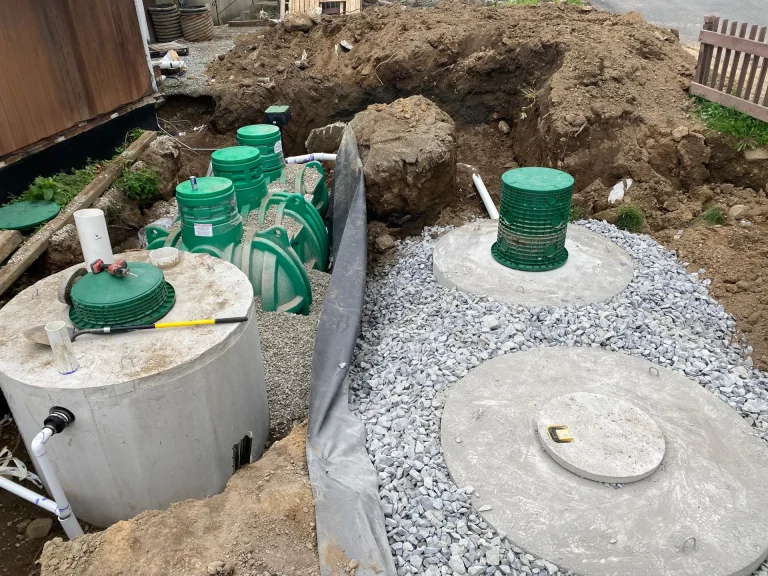
A conventional septic system usually includes a tank and a drain field, sometimes called a leach field. The tank collects wastewater from the home. Heavy solids sink to the bottom and form sludge. Lighter materials such as grease and oils float to the top and form scum. Between those layers sits partially clarified liquid, which exits the tank and flows to the drain field. There, the soil helps filter and treat the effluent before it returns to the environment.
That process sounds simple on paper, but in practice it depends on timing, water use, soil conditions, tank size, household habits, and maintenance. Even a good system can fail if it is overloaded or ignored. I have seen properties where the homeowners assumed a septic tank was a one-time installation, almost like a buried concrete box with no further obligations. A decade later, they were facing sewage seepage near the garden and a repair bill much larger than routine pumping would have cost.
Professional septic services exist to prevent that kind of outcome. Good providers understand what healthy sludge levels look like, how baffles should function, what root intrusion can do to a line, and how drainage patterns around a property affect the whole system. Their work supports sanitation at the most practical level.
Why cleanliness starts with wastewater management
Clean living is not only about visible tidiness. It includes the systems that keep pathogens away from kitchens, bathrooms, play areas, and groundwater. If wastewater is not properly stored, treated, and dispersed, contamination can occur in places people use every day.
A failing septic system can release organisms such as E. Coli and other harmful microbes into the surrounding environment. The risk is especially serious where homes rely on private wells. If the well and septic system are too close, if the soil is unsuitable, or if the septic system is malfunctioning, untreated or poorly treated wastewater can move into groundwater. The result may not be immediately obvious. Sometimes families first notice a problem through recurring stomach illness, changes in water quality, or an inspection during a property sale.
This is where regular septic services make a measurable difference. Pumping a tank before solids rise too high helps prevent material from washing into the drain field, where it can clog the soil and reduce treatment capacity. Inspections can reveal broken lids, damaged tees, crushed lines, excess grease buildup, or signs of hydraulic overload. Repairs done early are cleaner, safer, and less disruptive than emergency excavation after a system collapses.
The sanitation benefit also extends indoors. Once a septic tank or drain field stops functioning properly, wastewater may back up into tubs, floor drains, and toilets. Even a minor backup creates a health hazard. Raw sewage on bathroom surfaces is not just unpleasant. It can spread bacteria through direct contact, aerosols, and contaminated cleaning tools. Preventive service keeps these events far less likely.
Safer yards, safer water, safer households
Many people think of septic trouble as a plumbing problem, but the health and safety implications are broader. A wet area over the drain field may look like a minor nuisance at first. Children may still run across it. Pets may dig in it. Gardeners may work nearby without realizing what is surfacing through the soil. Standing effluent can expose people to pathogens and create strong odors that indicate poor treatment.
The same concern applies to nearby creeks, ponds, or drainage channels. On rural and semi-rural properties, runoff patterns matter. If a system is overloaded and the yard slopes toward a ditch or waterway, untreated wastewater can move off-site. In some areas, that can contribute to nutrient pollution, algae growth, and degraded local water quality. No responsible homeowner wants to think their system is affecting neighboring land or shared natural resources, but poorly maintained systems can do exactly that.
Experienced septic technicians often notice safety issues that residents miss. They may find an unsecured lid that poses a fall hazard. They may identify a tank location that heavy vehicles have been crossing, compacting soil or threatening pipe integrity. They may see evidence that roof runoff is saturating the drain field, reducing its ability to accept effluent. These are not dramatic, cinematic problems. They are ordinary property issues that become expensive and unsanitary when overlooked.
A property with proper septic services tends to be safer in small, cumulative ways. Waste stays contained. Access covers are secure. Effluent disperses where it should. Odors remain minimal. The ground surface stays usable and dry. Those outcomes affect daily quality of life more than most people realize.
What professional septic services actually include
The phrase septic services is often used narrowly, as though it means pumping and nothing else. Pumping is important, but it is only part of the picture. A competent service provider may inspect the tank, measure sludge and scum levels, verify that inlet and outlet components are intact, and assess whether the system is receiving more water than it can reasonably process.
On newer or more advanced systems, service may also involve pumps, alarms, filters, or aerobic treatment components. Those systems can perform very well, but they require attention. An alarm that is ignored because it seems inconvenient may be signaling a pump failure or high water level. A filter that is never cleaned can restrict flow and contribute to backups. In those cases, maintenance is not optional housekeeping. It is operational necessity.
Homeowners sometimes ask how often a tank should be pumped. There is no single honest answer that fits every house. A small household in a large tank may go several years between pump-outs. A busy family with frequent laundry, a garbage disposal, and guests may need service sooner. The variables include tank size, occupancy, water use habits, and what goes down the drains. Any provider who offers one exact timeline for every property is simplifying a system that is not actually simple.
Inspection intervals also matter. Even when pumping is not immediately needed, periodic inspections help establish a baseline. Once a technician has seen the system under normal conditions, it becomes easier to spot change. That kind of continuity can save a homeowner from guessing whether a slow drain is a minor clog or a sign of a stressed septic field.
The role of early intervention
Septic failures rarely begin as full-scale disasters. More often, they start with signals that are easy to dismiss. The bathroom sink bubbles after the washing machine drains. The grass above one section of yard turns greener than the rest. There is a faint odor after heavy rain. Toilets begin to flush sluggishly, then seem normal again for a week.
These are the moments when septic services are most valuable. A service call during the early stage of a problem can often identify whether the issue is inside the plumbing, inside the tank, or beyond the tank in the drain field or lines. That distinction matters because the fixes and costs differ sharply.
A practical example makes the point. On one property, the owners assumed frequent clogs meant they needed stronger drain chemicals. The real issue was a septic tank overdue for pumping, combined with a partially blocked effluent filter. The chemicals did nothing useful and likely stressed the beneficial bacteria in the tank. A simple service visit corrected the true problem before solids reached the field. Had they waited another season, the repair might have involved field restoration rather than routine maintenance.
Early intervention also protects household schedules and budgets. Emergency septic work tends to happen at the worst possible times, during heavy rain, holiday visits, or when the ground is difficult to access. Planned maintenance is almost always cleaner, calmer, and cheaper than reactive repair.
How routine service protects the drain field
The drain field is where many of the most expensive septic problems develop. It is also the component homeowners understand the least. Because the field is underground, people often assume it can absorb anything indefinitely. It cannot. Once solids, grease, or excessive water loads reach it consistently, the soil spaces that allow treatment and dispersal start to clog.
When a drain field begins to fail, symptoms may include sewage odors outdoors, slow household drains, wet patches on the lawn, or surfacing effluent. Full replacement can be costly, and on some lots it is complicated by soil limitations, setbacks, or lack of space. That is why septic services that keep solids in the tank where they belong are so important.
Routine pumping reduces the chance that suspended solids will leave the tank. Inspection helps catch missing baffles or damaged outlet components that would allow solids to escape. Service professionals may also advise homeowners about water use habits that put unnecessary strain on the field. Running several large loads of laundry in one day, for example, can send a surge of water through the system faster than it can be properly processed. Spreading those loads over several days often helps more than people expect.
Protecting the drain field also means protecting the land above it. Parking heavy trucks over it, building structures on it, or planting trees too close can damage the area physically. Septic contractors see this often after landscaping projects, when a homeowner improves the look of the yard but unknowingly compromises the wastewater system underneath.
Household habits that either help or hurt
Even the best septic services cannot fully compensate for poor daily habits. Systems are designed for wastewater, toilet paper, and ordinary organic waste. They are not built to digest wipes marketed as flushable, excessive grease, dental floss, cat litter, feminine hygiene products, or constant doses of antibacterial chemicals.
One of the most useful parts of a service visit is the conversation that comes with it. A good technician explains why certain habits matter. Grease can contribute to scum buildup and blockages. Wipes do not break down the way people assume. Leaking toilets can quietly overload the tank with hundreds of extra gallons over time. Water softener discharge, sump pump connections, and redirected roof drains may also influence performance depending on the setup.
Here are a few habits that usually support a healthier septic system:
- Spread high water use across the week instead of clustering laundry and long showers into one day.
- Keep grease, oils, wipes, and non-biodegradable items out of drains and toilets.
- Fix running toilets and dripping fixtures promptly.
- Know where the tank and drain field are before landscaping or driving equipment across the yard.
- Schedule inspections and pumping based on actual system use, not guesswork.
These are simple steps, but they work best when paired with professional oversight. Homeowners can reduce stress on the system, while septic services handle the technical evaluation and maintenance that most residents are not equipped to do themselves.
The cost question, and why deferred maintenance is usually more expensive
People often postpone septic maintenance because they are trying to avoid spending money. That instinct is understandable. Pumping, inspections, and minor repairs can feel easy to delay when everything still appears functional. The problem is that septic systems can degrade quietly for a long time, then fail abruptly.
Routine pumping generally costs far less than excavating lines, rehabilitating a damaged field, replacing pumps, or restoring contaminated landscaping. The exact numbers vary by region, access, tank size, and service complexity, but the pattern is consistent. Preventive work is usually the smaller bill. Emergency work usually comes with additional costs, including rushed scheduling, cleanup, indoor sanitation, and sometimes temporary lodging if the home cannot be used normally.
There is also the property value angle. During real estate transactions, septic inspections often uncover deferred maintenance that the current owner has been ignoring for years. What might have been a manageable service record becomes a negotiation problem, a delayed closing, or a required repair before transfer. Buyers are rightly cautious about wastewater systems because replacement is disruptive and expensive. A documented history of septic services gives confidence that the system has been treated as essential infrastructure rather than an afterthought.
Not all systems are the same, and service should reflect that
A small cabin used seasonally does not place the same demand on a septic system as a full-time household with children, frequent guests, and multiple bathrooms. A sandy site behaves differently from heavy clay. A gravity system is not the same as one that relies on pumps or advanced treatment units. Some older systems were installed under standards that have since changed. Others may have design constraints that require more attentive operation.
That variety is why generic advice can be risky. I have seen homeowners compare maintenance schedules with neighbors as if systems were interchangeable. https://fernandosgxa066.novacrestiq.com/posts/how-professional-septic-services-support-system-longevity They are not. One family may safely go longer between pump-outs because their tank is larger and their usage is low. Another may need more frequent service because their occupancy increased or a finished basement added bathrooms that changed the load on the system.
Professional septic services bring context to those differences. A reliable provider does not just show up with a truck. They build a picture of how the property functions. They ask about household size, water use, prior repairs, odors, slow drains, wet spots, and any recent construction. That kind of grounded assessment is what turns maintenance from a chore into a practical health and safety strategy.
What to expect from a reputable provider
Homeowners are often more comfortable scheduling service when they know what competent work looks like. A reputable company should be willing to explain what they are doing, what they found, and what level of urgency attaches to any issue. If the tank needs pumping, they should say why. If a baffle is damaged, they should show or describe the condition clearly. If the drain field appears stressed, they should explain what symptoms support that judgment.
These questions are worth asking during a service relationship:
- How full are the sludge and scum layers, and how does that compare to normal?
- Are the inlet and outlet components in good condition?
- Do you see signs of excess water entering the system?
- Is the drain field showing any stress or surfacing?
- Based on this household’s use, when should the next inspection happen?
Clear answers help homeowners make reasoned decisions instead of reacting out of fear. The best septic professionals tend to be practical communicators. They do not dramatize minor issues, and they do not minimize serious ones. That balance matters because septic work touches sanitation, environmental protection, and family safety all at once.
Cleaner, safer living is built on systems that work
A clean home is not defined only by polished counters and fresh paint. It also depends on the unseen systems that remove waste without contaminating the spaces where people live, cook, wash, and rest. Septic services support that hidden layer of public health at the household scale. They keep waste contained, protect groundwater, preserve the drain field, reduce indoor backup risks, and catch small failures before they become unhealthy and expensive.
For homeowners with onsite wastewater systems, routine service is one of the most practical investments they can make. It is preventive care for the property, for the land around it, and for the people who use both every day. When the system below ground is functioning as it should, cleaner and safer living stops being a slogan and becomes the ordinary condition of the home.
Excavating New Jersey LLC
Address: 406 County Rd 565, Wantage, NJ 07461
Phone number: +19737914284
FAQ About Septic Services
What is the average cost to get a septic tank emptied?
Emptying a septic tank costs between $290 and $560 on average, with most homeowners paying about $420. Prices vary based on tank size.
What is septic service?
Septic service inspects, pumps, cleans, and maintains a septic tank. A septic tank is a large, underground container that collects and treats wastewater from your home. Over time, sludge, scum, and other debris, like hair and solids, can build up in your tank and clog your drain field.
How often should you have a septic tank serviced?
A standard septic tank should be inspected every 1 to 3 years and pumped every 3 to 5 years. However, the exact schedule depends on your tank's capacity, household size, and daily water usage.