Eco-Friendly Septic Services for Modern Homes


A septic system is easy to ignore when it works well. Water drains, toilets flush, and the yard looks normal. That quiet reliability is exactly why many homeowners overlook the environmental side of septic care until something goes wrong. By then, the costs are higher, the repair options are narrower, and the impact can extend beyond one property line.
Eco-friendly septic services are not a marketing extra. They are a practical way to protect groundwater, reduce unnecessary excavation, extend equipment life, and keep a home's wastewater treatment system working with less waste and less disruption. For modern homes, especially those built with energy efficiency and water conservation in mind, septic maintenance deserves the same level of attention as HVAC performance, insulation, or roofing.
The interesting part is that environmentally responsible septic care usually overlaps with the smartest financial decisions. A well-maintained system tends to need fewer emergency calls, fewer harsh interventions, and fewer major replacements. The best septic professionals understand this. They do not just pump tanks and leave. They assess water use habits, inspect components with care, look for early warning signs, and recommend service strategies that solve problems without creating new ones.
What makes septic service eco-friendly
Eco-friendly septic services begin with a simple principle: treat wastewater effectively while disturbing the surrounding environment as little as possible. That means preserving the natural treatment function of the drain field, preventing contamination, reducing chemical misuse, and avoiding unnecessary machine work or part replacement.
In practice, that can look surprisingly ordinary. A technician measures sludge and scum levels instead of recommending pumping on a fixed sales schedule. A contractor traces a drainage issue with a camera or diagnostic test before digging up half the yard. A service company recommends replacing an inefficient toilet or fixing a leaking flapper because constant flow into the system can shorten drain field life. None of that sounds flashy, but it is the backbone of sustainable septic care.
A modern septic system is part mechanical infrastructure, part biological process. The tank separates solids, the bacteria help break down waste, and the drain field disperses and filters effluent through the soil. Every one of those stages can be helped or harmed by the way the system is serviced. Harsh chemical additives, repeated overuse, compacted soil over the field, and delayed pumping all chip away at performance. Thoughtful service supports the system's natural treatment process instead of fighting it.
The environmental stakes are closer than most homeowners realize
When a septic system fails, the effects are rarely confined to an unpleasant odor or a soggy patch of lawn. Poorly treated wastewater can move into shallow groundwater, nearby ditches, ponds, or wells. Nitrogen and phosphorus can contribute to water quality problems, while pathogens create obvious health concerns. In rural and semi-rural areas where homes rely on private wells, that risk becomes personal very quickly.
I have seen cases where the first visible symptom was not inside the house at all. It was a greener strip of grass over part of the drain field in late summer, followed by standing water after a heavy rain. The homeowners assumed it was normal moisture retention. It turned out the system had been overloaded for years by a running toilet and undersized pumping intervals. The repair was manageable because they caught it before complete field failure, but the warning signs had been there long before the emergency call.
That is one reason good septic services matter so much. The right technician is not only there to respond to backups. They are there to spot subtle changes in system behavior before contamination or structural damage develops.
Why modern homes need a different conversation about septic care
Newer homes often have larger bathrooms, bigger tubs, high-capacity washers, water treatment equipment, and more occupants using water at overlapping times. At the same time, many homeowners install low-flow fixtures and expect those alone to guarantee septic efficiency. They help, certainly, but they do not eliminate the need for tailored service.
Modern living patterns also put pressure on systems in less obvious ways. Work-from-home households create all-day water use instead of morning and evening peaks. Vacation rentals can swing from empty to fully occupied in a weekend. Finished basements add bathrooms after the original system was sized. Garbage disposals increase organic solids. Water softeners can add extra flow, and in some settings, additional salt loading. None of these details automatically doom a system, but they do change how it should be monitored and maintained.
Eco-friendly septic services take those patterns seriously. A technician who asks about occupancy, appliances, recent renovations, and seasonal use is usually thinking beyond the tank. They are trying to understand hydraulic load, solids accumulation, and drain field stress, which is exactly what a homeowner should want.
Pumping less often is not greener, pumping blindly is not greener either
One of the most persistent myths in septic care is that delaying pumping saves money and avoids waste. Another myth, usually pushed by aggressive sales tactics, is that a tank should be pumped on an inflexible calendar no matter what. Neither approach is particularly responsible.
A septic tank needs pumping when solids and scum have accumulated to the point that they threaten the flow path or reduce settling performance. The exact timing depends on tank size, household size, water use, and whether the home sends food waste, wipes, or other solids into the system. A two-person household with conservative habits may go longer between pump-outs than a family of five with frequent guests and a garbage disposal. The environmentally sound approach is to inspect and measure, then service based on actual conditions.
When pumping is done, the process should be controlled and complete. Spills around the access opening, careless hose handling, or damage to lids and risers are not minor issues. They create sanitation problems and can shorten component life. Responsible septic services invest in trained crews, maintained equipment, and proper disposal practices at approved treatment facilities.
The quiet role of bacteria, and the harm caused by the wrong products
Septic systems depend on microbial activity, but that fact has inspired decades of overpromising from additive sellers. Homeowners are often told that a bottle or packet can replace pumping, digest all solids, or restore a failing system. Real septic professionals tend to be much more cautious.
A healthy household septic tank usually receives enough bacteria from normal wastewater flow. Additives are not a substitute for proper design, pumping, or repair. Some products are harmless, some are of limited value, and some can disrupt settling or push suspended solids toward the drain field. The bigger concern is the broader category of chemicals that homeowners send down the drain without thinking: bleach in heavy doses, solvent-based cleaners, paint residues, pesticides, and antibacterial products used far beyond ordinary cleaning needs.
Eco-friendly septic services often include product guidance because what enters the tank shapes everything downstream. A contractor who tells a homeowner to stop pouring degreaser, disinfectant concentrate, or expired medication into the system is not overstepping. That advice can prevent real damage.
Water efficiency and septic longevity are closely linked
The greenest septic service call is often the one that never has to happen because excess water was controlled early. Septic systems treat wastewater, but they are not designed to absorb constant avoidable flow. A leaking toilet can add dozens, sometimes hundreds, of gallons a day depending on the failure. A dripping faucet is minor by comparison, but several small leaks across a house add up. Older top-load washers can send far more water into the system than newer efficient units.
This matters because septic performance is not only about what goes in, but how fast it goes in. If water moves through the tank too quickly, solids have less time to settle. If the drain field receives more effluent than the soil can process, saturation follows. Once the field stays chronically wet, oxygen levels drop and treatment quality declines.
One of the most useful recommendations a septic provider can make is not about the tank at all. It might be to stagger laundry loads over the week, route sump pumps and roof drains away from the septic area, or replace an aging toilet with a proven efficient model. These are small operational shifts with a direct environmental payoff.
Smarter inspections reduce waste and guesswork
Older septic work often relied on visible symptoms and excavation. Sometimes that was necessary, and sometimes it still is. But modern diagnostic methods can make septic services more precise and less destructive.
A thorough inspection may include measuring tank layers, checking baffles or tees, examining filters, evaluating pump chambers where present, reviewing alarm history, and assessing signs of ponding or soil compaction over the field. In some cases, a camera inspection of building sewer lines can confirm whether a slow drain issue is inside the house piping rather than in the septic tank. Dye testing or hydraulic load testing may help identify where a problem truly sits.
This matters for both cost and environmental protection. Digging up a functioning line because of a bad assumption is wasteful. Replacing a pump when the real problem is a float switch is wasteful. Pumping a tank during every service visit without inspecting the rest of the system can also miss the actual issue. Eco-friendly service is often simply accurate service.
Drain field protection is where many good intentions fail
Homeowners are often careful with what they flush, then unknowingly damage the most sensitive part of the entire system from above ground. The drain field needs unsaturated, uncompacted soil to treat and disperse effluent. Heavy vehicles, repeated foot traffic from construction, stockpiled materials, and some landscaping choices can reduce that soil's effectiveness.
Deep-rooted trees and shrubs can also become a problem over time. Roots are opportunistic. They follow moisture and nutrient gradients, and drain lines provide both. Not every nearby plant causes trouble, but the wrong planting in the wrong place can turn into a recurring repair cycle.
A sustainable septic provider will usually talk as much about surface management as tank maintenance. They may recommend preserving grass cover over the field, redirecting runoff, and keeping patios, sheds, or parking areas away from the system footprint. That advice can sound basic, yet it prevents some of the most expensive and environmentally damaging failures.
When repairs are needed, the greenest option is not always the cheapest
There is a temptation in septic work to choose the smallest immediate fix, especially when the https://ricardosftp886.lowescouponn.com/what-home-buyers-should-know-about-septic-services alternative involves permits, engineering, or excavation. Sometimes a modest repair is exactly right. Replacing a cracked lid, installing a new effluent filter, repairing a broken pump float, or adding risers for safer future access can extend the life of a sound system at very reasonable cost.
At other times, patchwork is just a delay tactic. A failing drain field that no longer infiltrates properly is not rescued by repeated pumping. That approach may buy a few weeks or months, but it increases hauling, cost, and risk of untreated discharge. A distribution box set out of level may be starving one trench and overloading another. Ignoring that imbalance can shorten the life of the whole field.
Good septic services involve judgment. The environmentally responsible choice is the one that addresses root causes while preserving as much functioning infrastructure as possible. That may mean repairing one component and monitoring performance, or it may mean admitting that a redesign is the only durable solution.
The homeowner habits that make the biggest difference
Most septic systems do not fail from one dramatic mistake. They fail from accumulation, small habits repeated over years. If you want a modern home to operate cleanly and efficiently on septic, ordinary discipline matters more than miracle products.
Here are the habits that consistently produce better outcomes:
- Pump and inspect based on actual tank condition and household use, not guesswork or neglect.
- Keep grease, wipes, feminine hygiene products, paper towels, cat litter, and harsh chemicals out of the system.
- Spread out heavy water use, especially laundry, and fix leaks promptly.
- Protect the drain field from compaction, runoff, and root intrusion.
- Keep clear records of service dates, repairs, permits, and system layout.
That last point is underrated. When a home changes hands, septic records are often thin or scattered. A simple file with diagrams, receipts, inspection notes, and pumping intervals can save hours of locating work and prevent poor decisions later.
Choosing a septic service company with environmental judgment
Not every company offering septic services works with the same standards. Some are excellent at emergency pumping but less thorough on system evaluation. Some know local soils, local permitting, and local failure patterns extremely well. That local knowledge matters because septic performance is shaped by climate, topography, soil type, and regulatory requirements.
A competent, eco-conscious provider usually asks better questions before giving a simple answer. They want to know the age of the system, the number of bedrooms, whether occupancy has changed, whether alarms have sounded, whether backups occur after rain, and whether any work has been done near the field. They explain what they are seeing in plain language. They distinguish between maintenance, repair, and replacement instead of pushing all three at once.
When homeowners are comparing providers, a short practical screen helps:
- Ask whether inspections include measuring solids, checking baffles or tees, and reviewing overall system condition.
- Ask how they diagnose drain field issues before recommending excavation or replacement.
- Ask where pumped waste is transported and whether disposal follows local requirements.
- Ask whether they provide written notes, service records, and maintenance recommendations tailored to the home.
- Ask how they approach water use, product selection, and homeowner education.
Those questions reveal a lot. A serious contractor should be able to answer them without evasiveness or sales theatrics.
Eco-friendly upgrades that are often worth considering
Some septic improvements are glamorous on paper and marginal in practice. Others are plain, relatively inexpensive, and extremely useful. Risers, for example, are not exciting, but bringing access lids to grade can reduce future yard disturbance and make routine service more likely to happen on time. Effluent filters, where appropriate, can help protect the drain field from suspended solids, though they need periodic cleaning. High-water alarms in systems with pumps can provide early warning before a backup reaches the house.
For homes with persistent hydraulic stress, water-efficient fixtures can be more than a utility-saving measure. They can materially reduce septic loading. If an older home still has large-flush toilets and a thirsty washer, those replacements often pay dividends on both sides of the meter.
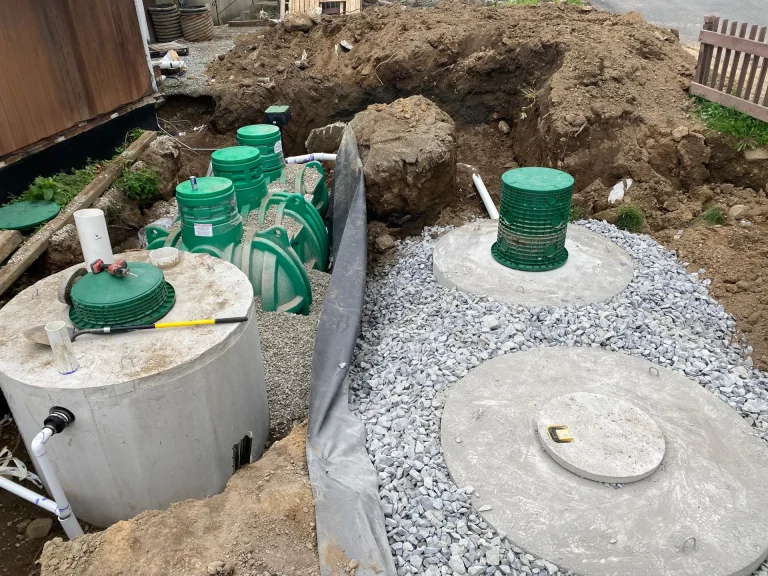
There are also cases where advanced treatment units make sense, particularly on constrained lots, sensitive waterfront properties, or sites with challenging soils. These systems can improve effluent quality before dispersal, but they add complexity. More mechanical parts mean more monitoring and maintenance. The eco-friendly choice is not automatically the most advanced device available. It is the option that can be properly maintained over the long term by the homeowner and local service network.
Seasonal use, stormwater, and other real-world complications
Not all homes use septic systems in steady, predictable ways. Lake houses, guest homes, and short-term rentals create abrupt shifts in loading. A system that sits mostly idle can be hit with several days of intense use. That pattern does not always cause immediate trouble, but it requires a realistic service plan.
Wet weather adds another layer. If roof runoff, foundation drainage, or surface grading sends water toward the septic area, the soil loses treatment capacity at exactly the wrong time. Homeowners often describe these problems as mysterious because the toilets may flush normally in dry conditions. Then a long rain arrives and the drains become sluggish. The system was not truly fine before. It simply had more unsaturated soil available.
I have seen beautiful modern homes with excellent interior finishes and poorly managed exterior water. One property had spent heavily on kitchen upgrades while a downspout discharged toward the drain field year after year. The septic issue was not glamorous to fix, but extending the downspouts and correcting grading did more for the home's wastewater resilience than any interior renovation.
Septic care is part of responsible home design
There is a tendency to think of sustainability in terms of solar panels, efficient windows, induction ranges, and better insulation. Those are worthwhile investments, but wastewater treatment belongs in the same conversation. If a home handles its own sewage on-site, then septic performance is part of its environmental footprint.
That perspective changes how homeowners approach service. Instead of seeing septic maintenance as a grudging expense, they begin to see it as stewardship. The tank, lines, pumps, and drain field become infrastructure worth understanding. And because these systems are mostly hidden, knowledgeable septic services play an essential role. They translate hidden conditions into practical decisions.
A well-run septic system is not flashy. It does not announce itself. But when it is maintained with environmental care, it protects wells, streams, soil health, landscaping, and household budgets all at once. For modern homes aiming to be efficient and responsible, that is not a side issue. It is foundational.
Excavating New Jersey LLC
Address: 406 County Rd 565, Wantage, NJ 07461
Phone number: +19737914284
FAQ About Septic Services
What is the average cost to get a septic tank emptied?
Emptying a septic tank costs between $290 and $560 on average, with most homeowners paying about $420. Prices vary based on tank size.
What is septic service?
Septic service inspects, pumps, cleans, and maintains a septic tank. A septic tank is a large, underground container that collects and treats wastewater from your home. Over time, sludge, scum, and other debris, like hair and solids, can build up in your tank and clog your drain field.
How often should you have a septic tank serviced?
A standard septic tank should be inspected every 1 to 3 years and pumped every 3 to 5 years. However, the exact schedule depends on your tank's capacity, household size, and daily water usage.